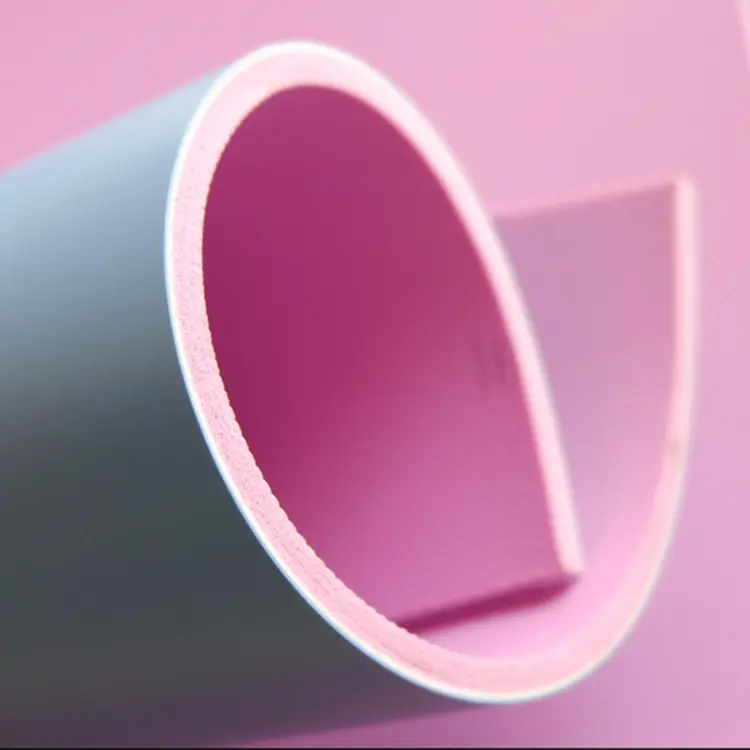
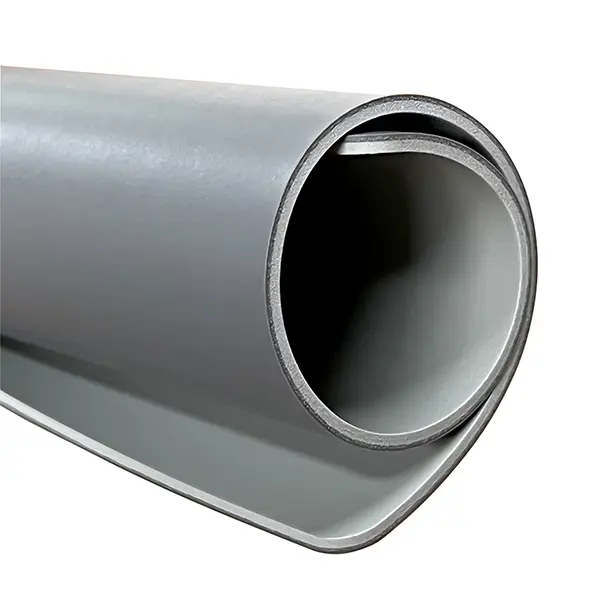
Dongxing: Heterogeneous Vinyl Flooring
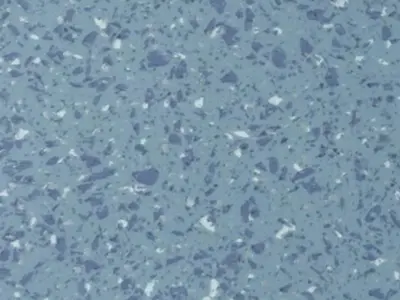
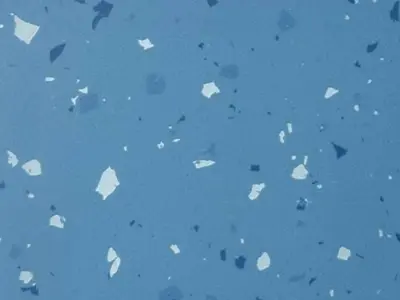
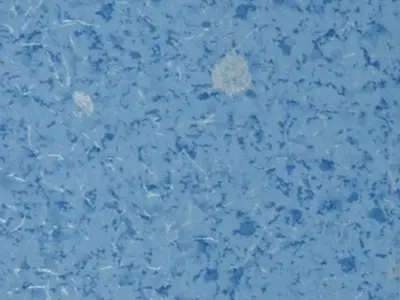
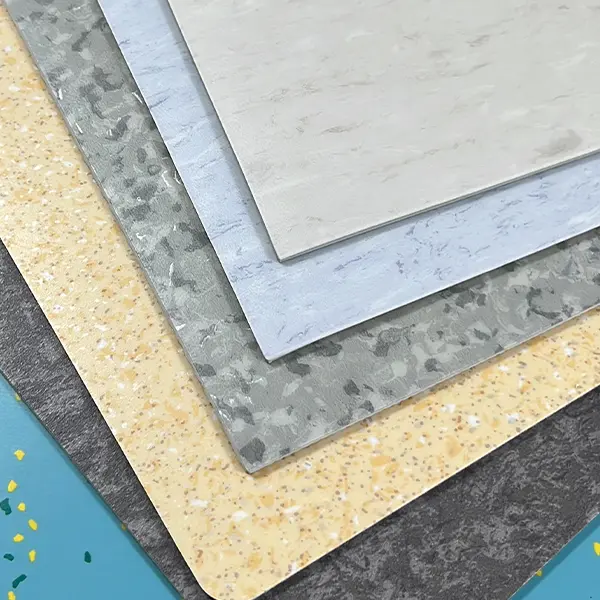
Heterogeneous vinyl flooring is one of the most commonly used structural types in the commercial sector. Dongxing offers a variety of custom colors and patterns. Heterogeneous flooring employs a multi-layered composite design, with a structure that includes a wear-resistant layer, a substrate layer, and a printed layer. A foam layer can be added for applications requiring cushioning, such as dance studios.
It is widely applicable to high-traffic public areas, offices and educational institutions,dance studio, medical and elderly care facilities, and industrial environments. We can provide commercial heterogeneous vinyl flooring rolls tailored to different specific locations, offering solutions for various scenarios.
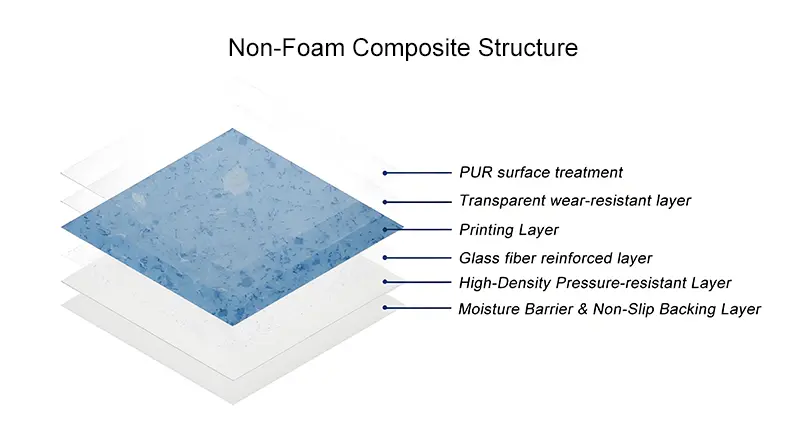
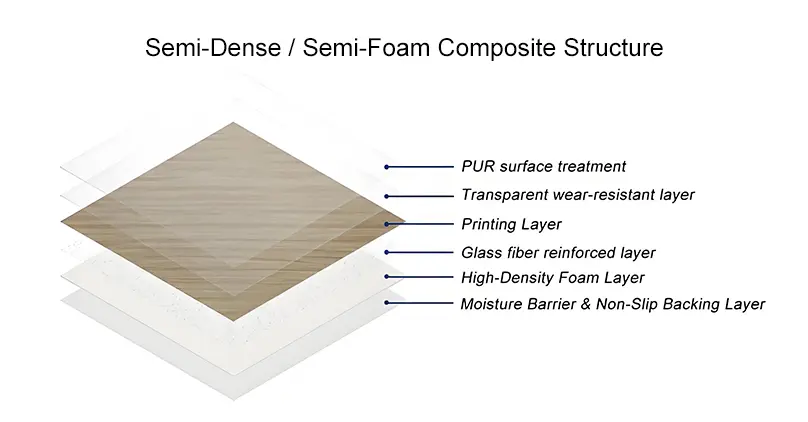
Heterogeneous Commercial Flooring: Structure and Performance
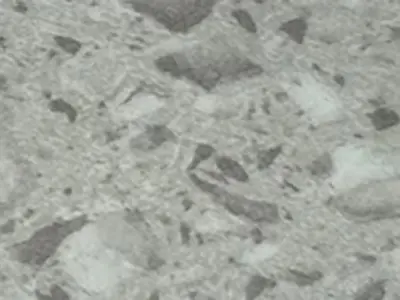
- High-definition printing, highly decorative, with a rich selection of colors, patterns, and textures.
- Multi-layer composite flooring structure, widely applicable, meeting requirements such as waterproofing, sound insulation, and wear resistance.
- Quiet and noise-reducing, comfortable underfoot, reducing fatigue from prolonged standing.
- Slip-resistant and wear-resistant, easy to maintain, stain-resistant and easy to clean.
- Low VOC emissions, meets fire resistance standards.
Technical Parameters
| Item | Standard | Result |
|---|---|---|
| Total thickness | EN 428 | 2.0/3.0mm |
| Wear Layer Thickness | EN 429 | 0.25/0.35mm |
| Weight | EN 430 | 1750/2500/3300/4800g/m² |
| Width | EN 426 | 200cm |
| Length of sheet | EN 426 | 15/20m |
| Fire rating | GB 8624-1997 | GB 8624 Bf1 |
| VOC | GB 18586 | PASS |
| Dynamic coefficient of friction | EN 13893 | DS class |
| Slip resistance | EN 51130 | R9 |
| Abrasion group | EN 649 | T |
| Castor wheel test | EN 425 | Suitable |
| Colour fastness | EN 20 105-802 | 6 |
| Chemical products resistance | EN 423 | Good |
| Dimensional stability | EN 434 | ≤0.40% |
| Flexibility | EN 435 | Excellent |
| Hygiene treatment (MRSA) | – | Very Good |
| Impact sound reduction | EN ISO 717/2 | Approx. +4dB |
| Indentation | EN 433 | ≈0.05mm |
| Residual indentation | EN 433 | Approx. 0.04mm |
| Surface treatment | – | UV |